


What We Build & Buy
Self storage development & acquisition expertise
Value in self-storage is created before a tenant ever signs — in site selection, feasibility, construction and the discipline applied to an acquisition. This is how we build and buy, stage by stage.
How we create value
Ground-up development
We identify undersupplied markets, secure entitled land, and build modern climate-controlled Class A facilities from the ground up.
Value-add investments
We acquire underperforming facilities and lift net operating income through better management, revenue systems, and capital improvements.
Existing facilities
We buy stabilized, cash-flowing properties — often off-market and below replacement cost — to generate day-one income.
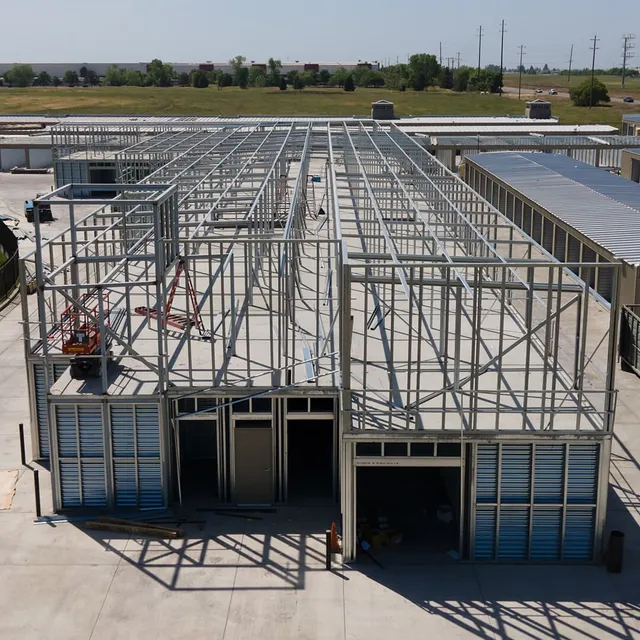
Ground-Up Development
Ground-up self storage development
Ground-up development is where we create the most value for investors. We identify undersupplied, high-growth submarkets, secure entitled land, and build modern climate-controlled Class A facilities designed around real drive-time demand — not speculation. Because we capture the full development margin between construction cost and stabilized value, ground-up projects target our highest returns over a three-to-five-year hold.
Every project runs through the same disciplined pipeline: site selection and feasibility, entitlement and design, construction management, and lease-up to stabilized occupancy. Third-party feasibility studies and conservative underwriting stress-test each assumption before we break ground, and staged capital deployment keeps risk contained through the build.
- Site selection & feasibility
- Entitlement & design
- Construction management
- Lease-up to stabilization
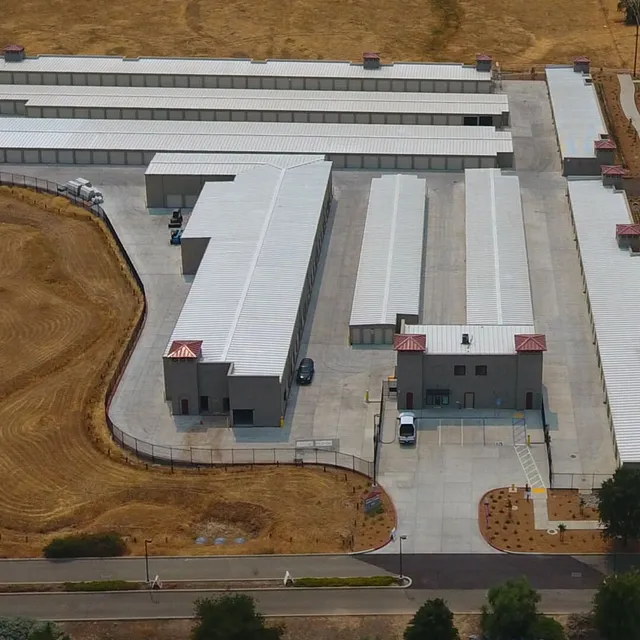
Existing Investments
Acquire existing self storage facilities
Acquiring existing, stabilized facilities gives investors immediate, predictable cashflow rather than a lease-up curve. We target well-located properties — frequently off-market and below replacement cost — where in-place net operating income supports day-one distributions and there is still room to sharpen operations. This is a lower-risk complement to ground-up development within a diversified self-storage portfolio.
Our team underwrites each acquisition on trailing financials, the rent roll, and local supply-and-demand, then models realistic upside from professional management and revenue systems. Because storage leases are month-to-month, a stabilized facility can be repriced to market quickly, protecting income against inflation while we hold.
- Immediate, in-place cashflow
- Often off-market, below replacement cost
- Room for operational upside
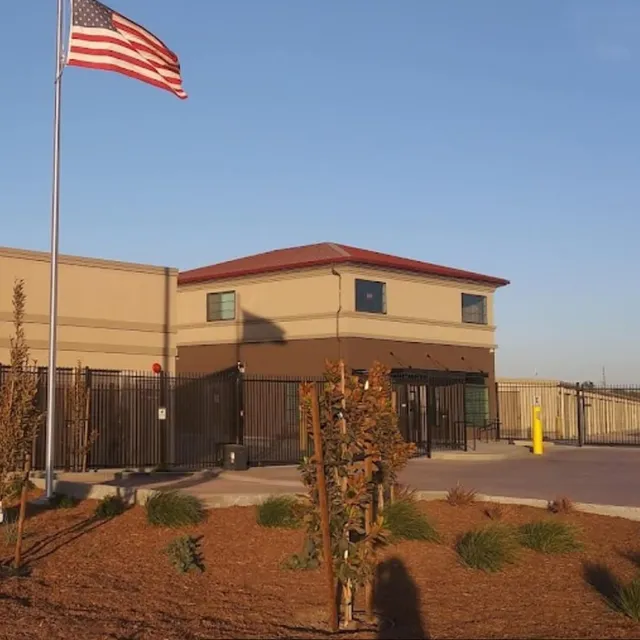
Value-Add Investments
Value-add self storage investments
Value-add is the middle path between ground-up risk and stabilized yield. We buy underperforming facilities — mismanaged, under-marketed, or missing climate-controlled units — and raise net operating income through professional management, revenue-management software, physical improvements, and rebranding. As NOI climbs, so does the property's value, creating a gain we capture at refinance or sale.
Typical levers include adding or converting units, introducing tenant insurance and ancillary revenue, tightening delinquency, and repositioning the facility against local competitors. Each initiative is underwritten conservatively so the business plan works even if only part of the upside materializes.
- Revenue management systems
- Add units / climate control
- Rebrand & remarket
- Delinquency control
Buy Self Storage Business
Buy a self storage business
Beyond real estate, we acquire operating self-storage businesses as a going concern — the property plus its management, staff, systems, and tenant relationships. Valuing a business acquisition means looking past the building to the quality of the rent roll, the software stack, vendor contracts, and how cleanly operations can transition without disrupting tenants or cashflow.
For owners ready to exit, we offer a straightforward, confidential process and can structure terms — including seller financing — that fit your timeline. For investors, buying an established business shortens the path to stabilized income.
- Going-concern valuation
- Rent-roll & systems review
- Smooth operational handover
Self Storage Acquisitions
Self storage acquisitions
Acquisitions are the engine of our portfolio. Whether we are buying a stabilized facility, a value-add reposition, or an operating business, every deal moves through one repeatable, disciplined path — sourcing, underwriting, due diligence, financing, and closing. This section is the home for how we buy; the topics below are the stages within it, not competing pages.
Most of what we buy comes through direct owner relationships rather than a broker’s inbox, which is how investors reach facilities that never hit a public listing. Conservative underwriting against the rent roll, local supply, and true operating costs governs whether we proceed on any acquisition.
Buying a self storage facility
Buying a facility starts with a clear thesis: the right market, the right unit mix, and a price justified by in-place income and realistic upside. We value each property by dividing net operating income by the market cap rate, then pressure-test the assumptions before signing a letter of intent. For a full, step-by-step walkthrough — including cost benchmarks and cap-rate guidance — read our in-depth guide.
Read the full guide: how to buy a self storage facilityAcquisition process
- 01
Sourcing & site selection
We screen markets for demographic growth, drive-time demand, and limited competing supply, focusing on off-market and relationship-driven deals.
- 02
Feasibility & underwriting
Third-party feasibility studies and conservative underwriting stress-test every assumption before we commit capital.
- 03
Due diligence
Title, environmental, zoning, and financial review against a rigorous checklist to surface risk early.
- 04
Financing & closing
We structure debt and equity, finalize the capital stack, and close — funding through our investor portal.
- 05
Construction & stabilization
We manage construction and lease-up to stabilized occupancy, then optimize operations for the hold period.
Due diligence
Before closing we verify financials, property condition, market demand, and legal standing against a rigorous checklist — surfacing risk early so nothing derails the deal after purchase.
- Financials
- Trailing 12-month P&L
- Rent roll & occupancy history
- Delinquency & concessions report
- Property
- Title & survey
- Environmental (Phase I)
- Physical condition & deferred maintenance
- Market
- Competing supply & drive-time demand
- Street rate comparison
- Population & demand trends
- Legal & ops
- Zoning & permits
- Service & vendor contracts
- Management software & systems
Financing
We structure each capital stack to fit the deal — often blending several sources — balancing leverage, cost of capital, and investor returns.
- Conventional mortgage
- Bank or agency debt for stabilized facilities with strong cashflow.
- SBA 7(a) / 504
- Government-backed loans for owner-operators, with lower down payments.
- Seller financing
- Owner-carried notes that bridge valuation gaps and speed closings.
- Syndicated equity
- Pooled investor capital for larger acquisitions and portfolios.
Closing process
At closing we finalize the capital stack, complete escrow and title transfer, and take operational handover — tenant records, gate and management software, insurance, and vendor contracts — so the facility keeps running without a gap. New investors are onboarded through the portal, and reporting begins with the first distribution period. From accepted offer to funded close, a typical acquisition runs 45–90 days depending on financing and diligence.
Fit & alternatives
Is this right for you?
Who this is for
- Investors wanting exposure to development or repositioning upside
- Facility owners considering a sale or a joint venture
- Partners looking to co-develop in growth submarkets
Who this is not for
- Anyone needing income from day one on a ground-up project
- Investors uncomfortable with construction and lease-up timelines
Alternatives to consider
- Acquiring a stabilized facility
- Income begins immediately, with less upside than development.
- Investing passively in a project
- Equity ownership and risk management handled by the operator.
- Value-add repositioning
- A middle path between development risk and stabilized yield.
How this looks in practice
On a ground-up project we secure an entitled site, complete a third-party feasibility study, manage construction, then lease the facility to stabilized occupancy before optimising operations for the hold period. On a value-add acquisition the same discipline applies to an existing asset: we underwrite the rent roll, introduce revenue management, and grow net operating income.
Common questions
Frequently asked questions
How much does it cost to build a self storage facility?
Ground-up self-storage development typically costs $45–$85 per square foot for construction, plus land, soft costs, and financing — often $3M–$12M+ for a Class A facility depending on size, market, and whether it's climate-controlled.
How long does self storage development take?
From land acquisition through stabilization, a ground-up project generally runs 24–42 months: entitlement and design (6–12 months), construction (10–14 months), and lease-up to stabilized occupancy (12–24 months).
What is a value-add self storage investment?
A value-add investment acquires an underperforming facility and increases its value through better management, revenue-management software, added units or climate control, and improved marketing — raising net operating income and the property's worth.
Can I sell my self storage business to Storage Moguls?
Yes. We actively acquire existing facilities and storage businesses, including off-market and value-add opportunities. Reach out through our contact page to start a confidential conversation.
Joint Venture Opportunities
Own a facility? Let's talk.
We acquire existing facilities and storage businesses, and we co-develop with qualified partners through joint ventures — including off-market and value-add opportunities. Confidential, no-obligation conversations.